

US Offers $20m Reward for Iran Nuclear Secrets
Washington announces a reward of up to $20 million and possible relocation for information on Iran’s nuclear facilities, equipment and personnel, despite Donald Trump’s claims that previous US strikes destroyed the programme
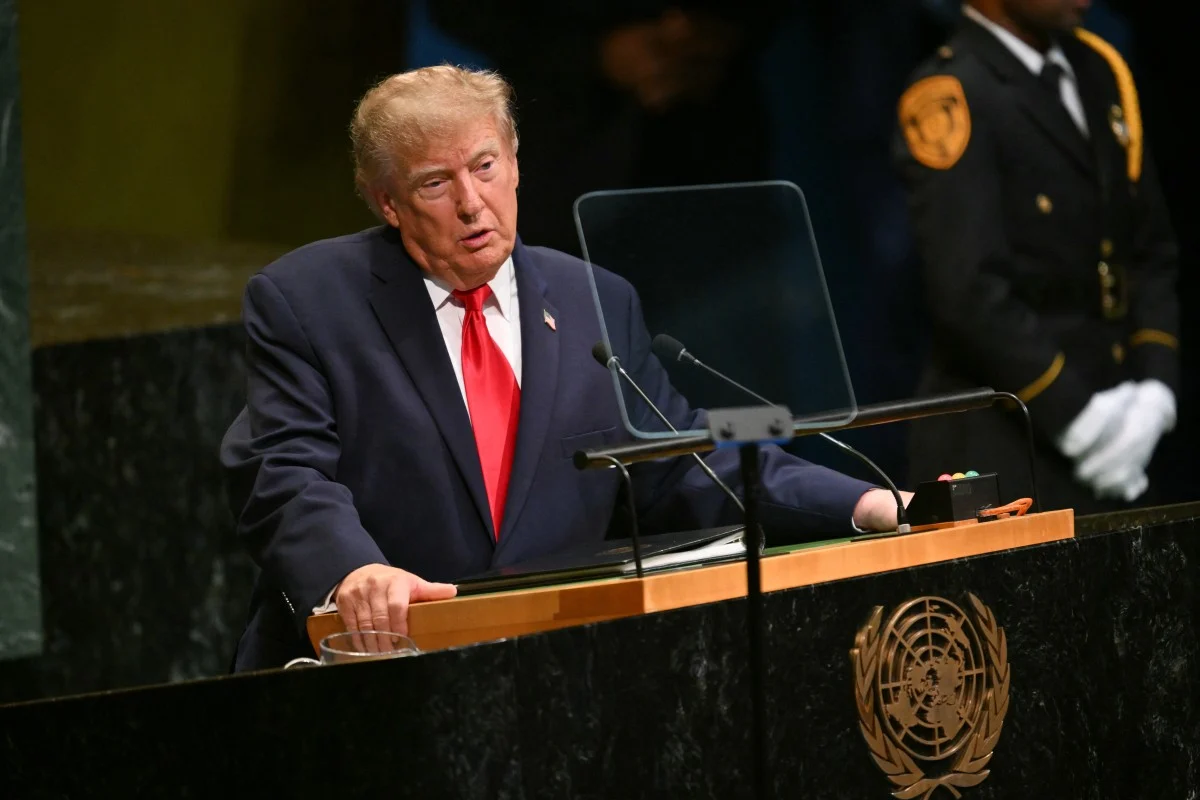
The United States Government has announced a $20 million reward and possible relocation for anyone providing credible information about Iran’s nuclear programme, including its facilities, equipment, scientists and other personnel, despite President Donald Trump’s repeated assertions that American military strikes had destroyed the country’s nuclear capabilities.
Also read: NMCN Chief Warns Nurses Against Excessive AI Use
The US Central Command (CENTCOM) announced the initiative on Friday, November 6, 2026, saying the offer was being made through the State Department’s Rewards for Justice programme as Washington continues to monitor Tehran’s nuclear activities.
In a statement posted on X, CENTCOM said the programme was seeking information about Iran’s nuclear infrastructure and individuals connected to its development.
“Rewards for Justice is offering a reward of up to $20 million and possible relocation for information about Iran’s nuclear program, including its facilities, equipment, and associated personnel, such as those in the scientific community, or the movement of any of the above,” the military command said.
The agency encouraged individuals with relevant information to submit tips through the Rewards for Justice website, although it did not specify the precise requirements for qualifying for the maximum payment.
According to the State Department, the initiative is intended to obtain information that could help identify and monitor Iran’s nuclear capabilities, including scientific personnel, technologies and related organisations.
The announcement comes amid longstanding international concerns over Iran’s nuclear ambitions and renewed questions about the extent of damage inflicted on its nuclear infrastructure by American and Israeli military operations.
In 2025, the International Atomic Energy Agency (IAEA) reported that Iran had enriched uranium to 60 per cent purity, significantly above the 3.67 per cent limit established under the 2015 nuclear agreement.
Although 60 per cent enrichment is below the approximately 90 per cent generally associated with weapons-grade uranium, it represents a substantial technical step towards producing material suitable for a nuclear weapon.
Iran has consistently maintained that its nuclear programme is intended for peaceful purposes, while Western governments have raised concerns about the country’s enrichment activities and compliance with international safeguards.
The situation escalated in June 2025 when Israel and the United States launched military strikes against Iranian nuclear facilities.
The American operation targeted major nuclear installations, including facilities associated with uranium enrichment and nuclear research.
Following the strikes, Trump declared that Iran’s nuclear infrastructure had been “completely and totally obliterated”, presenting the operation as a major success in preventing Tehran from developing nuclear weapons.
However, subsequent assessments raised questions about the extent of the destruction and whether Iran retained the technical knowledge, materials and capacity needed to rebuild parts of its programme.
The IAEA also experienced significant difficulties monitoring Iran’s nuclear activities after the June 2025 attacks.
In September 2025, the agency reported that it had lost access to most safeguarded nuclear facilities following Tehran’s suspension of cooperation with inspectors.
Tensions escalated further on February 28, 2026, when the United States and Israel launched a broader military campaign against Iran, targeting military installations and infrastructure associated with its nuclear and missile programmes.
The opening phase of the operation resulted in the death of Iran’s Supreme Leader, Ayatollah Ali Khamenei, triggering retaliatory attacks by Tehran and a wider regional conflict.
Iran subsequently targeted American and allied interests across the Middle East, while tensions surrounding the Strait of Hormuz disrupted international shipping and heightened concerns about global energy supplies.
The conflict later experienced a temporary reduction in large-scale fighting following diplomatic intervention, although disagreements over Iran’s nuclear programme, sanctions and control of the strategic waterway continued.
As of November 2026, Washington and Tehran remain engaged in efforts to negotiate an end to the conflict, with Qatar playing a mediation role.
Reuters reported on November 5 that Iran had submitted a nuclear proposal to the United States through Qatar, although Tehran reportedly attached conditions to further negotiations.
The latest American reward offer therefore signals that Washington continues to seek intelligence about Iran’s nuclear infrastructure, even after repeated military claims that the programme has suffered extensive damage.
It also highlights the continuing uncertainty surrounding the actual condition of Iran’s nuclear facilities and the international community’s ability to independently verify the country’s nuclear activities.
Also read: Google Switches Off AI Tools for Schoolchildren by Default
For now, the $20 million initiative adds another intelligence dimension to the broader diplomatic and military confrontation, as efforts continue to prevent Iran from acquiring nuclear weapons and secure a lasting resolution to the conflict.




Pingback: Iran Executes Three Men Over Alleged Israeli-US Links During Protests – FreshUpdates News