

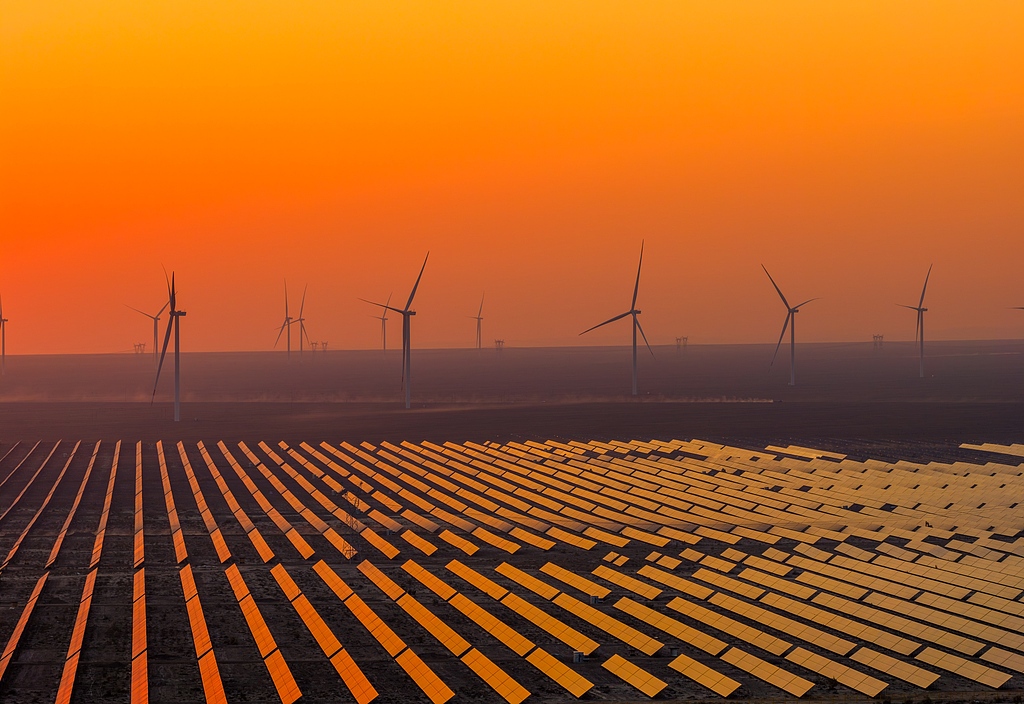
Report: China Emerges as Global Leader in Renewable Energy Development
China’s expanding clean energy capacity is reshaping the global electricity market, as coal’s share of domestic power generation falls below 50 per cent for the first time
China has reinforced its position as the world’s leading renewable energy powerhouse, with its expanding clean energy infrastructure helping to reshape global electricity generation and reduce carbon emissions, according to a report released by the China Enterprise Reform and Development Society (CERDS).
Also read: Nigeria Owes China $5.67bn as External Debt Hits $145bn
The report, published in November 2026 and reported by China Global Television Network (CGTN), highlighted China’s growing investment in wind and solar power, technological advances and declining dependence on coal-fired electricity.
The development comes amid a broader global transition towards cleaner energy sources, although fossil fuels remain a major contributor to greenhouse gas emissions.
According to the report, global energy-related carbon dioxide emissions increased by 0.4 per cent year-on-year to approximately 38.4 billion tonnes in 2025, representing the slowest annual growth since 2021.
China recorded a 0.5 per cent decline in energy-related carbon emissions during the period, while emissions in the United States increased by 2.4 per cent, making it the largest contributor to the global rise, according to the report.
The figures broadly align with the International Energy Agency’s (IEA) Global Energy Review 2026, which attributed China’s emissions reduction to the rapid expansion of low-emissions electricity generation, slower electricity demand growth and declining activity in some energy-intensive industries.
One of the most significant developments highlighted in the report was the declining contribution of coal to China’s electricity supply.
Coal-fired power generation accounted for 49.7 per cent of China’s total electricity generation in the first half of 2026, falling below the 50 per cent threshold for the first time over a six-month period.
The development was confirmed by China’s National Energy Administration, which reported that coal-fired electricity generation stood at approximately 2.5 trillion kilowatt-hours between January and June.
Renewable electricity generation, meanwhile, approached two trillion kilowatt-hours, accounting for 41.2 per cent of the country’s total electricity output during the same period.
President of CERDS, Peng Huagang, said the changing electricity mix reflected a gradual transformation in the role of coal within China’s energy system.
“Coal power is gradually shifting from a dominant source of electricity to a supporting source that ensures power supply security and provides flexibility to the grid,” Peng said.
The report also highlighted the scale of China’s renewable energy expansion, noting that global installed renewable energy capacity reached 5,149 gigawatts by the end of 2025, representing a 15.5 per cent increase from the previous year.
Renewable energy sources accounted for 33.8 per cent of global electricity generation, overtaking coal’s 33 per cent share for the first time in a century, according to figures cited in the report.
Independent research by energy think tank Ember also confirmed the milestone, attributing the shift largely to substantial growth in solar and wind electricity generation.
China accounted for a substantial portion of the expansion, with its installed renewable energy capacity reaching 2.337 billion kilowatts by the end of 2025.
The figure represented 60.1 per cent of the country’s total installed electricity generation capacity, while China contributed 63.6 per cent of global additions to renewable energy capacity during the year.
The country’s renewable electricity generation also reached approximately 3.99 trillion kilowatt-hours in 2025, equivalent to 38.3 per cent of its total electricity generation.
The National Energy Administration separately reported that the increase in renewable electricity generation was sufficient to cover the growth in China’s overall electricity demand during the year, marking an important development in its energy transition.
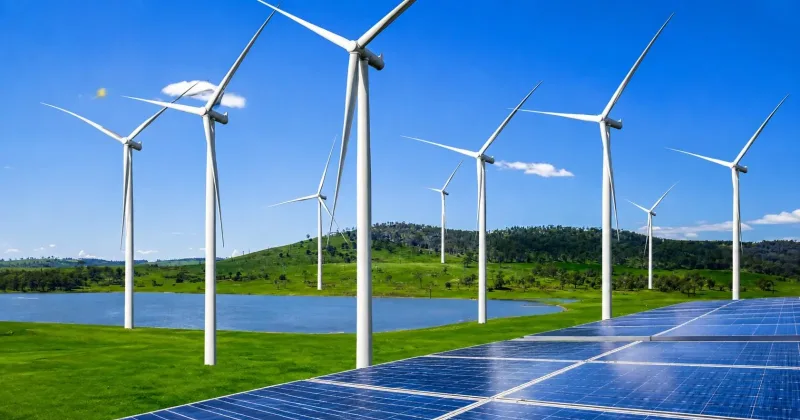

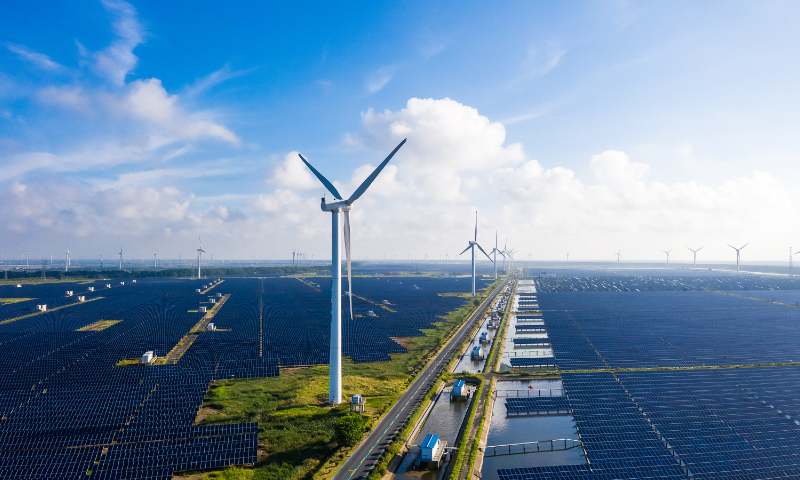
Beyond expanding domestic infrastructure, China has strengthened its influence over the global renewable energy supply chain through large-scale manufacturing and technological development.
According to the CERDS report, Chinese manufacturers supply approximately 70 per cent of the world’s wind power equipment and 80 per cent of its solar photovoltaic modules.
The report attributed reductions of more than 60 per cent in global wind power generation costs and over 80 per cent in solar power generation costs partly to China’s manufacturing capacity, technological advances and economies of scale.
China’s growing influence in the sector has also made its domestic energy investment decisions increasingly important to the wider international market.
The report projected that China’s energy investment would reach $940 billion in 2026, making it the largest energy investor globally.
A growing share of such investment is also being directed towards electricity grids and supporting infrastructure needed to integrate renewable electricity into national power systems.
However, the expansion of renewable energy does not mean China has completely moved away from fossil fuels.
Coal remains an important component of its electricity system, particularly in meeting peak demand and providing a reliable power supply when weather conditions affect wind and solar generation.
The IEA reported that coal still accounted for approximately 55 per cent of China’s electricity generation in 2025, despite a significant decline from its 70 per cent share a decade earlier.
The growing renewable energy capacity has also brought challenges involving electricity transmission, grid flexibility, energy storage and the management of fluctuations in power supply.
The IEA’s 2026 renewable energy outlook noted that China’s dominant position in solar manufacturing remains significant, although financial pressures, excess production capacity and falling prices have created difficulties for manufacturers.
The agency also emphasised the importance of stronger electricity networks, battery storage and market reforms to ensure that newly installed renewable capacity can be effectively utilised.
Nevertheless, China’s expanding renewable energy system represents a significant development in the global effort to reduce dependence on fossil fuels.
Also read: FG Seeks $500m World Bank Loan Days Before Tinubu’s Exit
With renewable sources now accounting for a larger share of electricity generation worldwide, the country’s investment, manufacturing capacity and technological influence are expected to remain central to the pace and direction of the global energy transition.



