

CBN Hits $1bn Remittance Target, Eyes $1.5bn
Olayemi Cardoso says Nigeria has achieved its monthly diaspora remittance goal and is targeting a 50 per cent increase by June 2027, while promising stronger banking services and improved access to credit
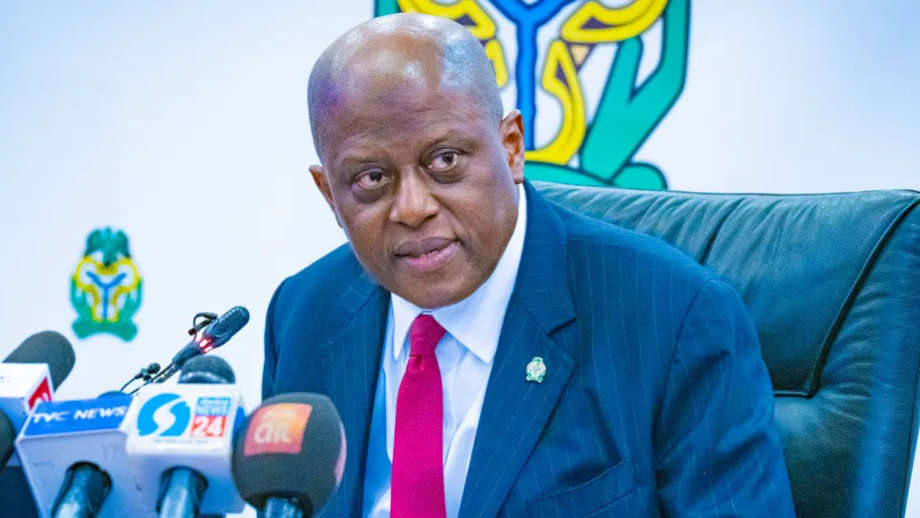
The Governor of the Central Bank of Nigeria (CBN), Olayemi Cardoso, has announced that Nigeria has achieved its target of attracting $1 billion in monthly diaspora remittances through formal channels, setting a fresh goal of increasing the inflow to $1.5 billion by June 2027.
Also read: CBN, NNPC Sign Major Deal to Boost Oil Revenue, FX
Cardoso disclosed this on Friday, November 27, 2026, at the 61st Annual Bankers’ Dinner of the Chartered Institute of Bankers of Nigeria (CIBN) in Lagos, where he outlined the next phase of the apex bank’s financial sector reforms.
The achievement represents a significant milestone in the CBN’s efforts to attract more foreign exchange from Nigerians living abroad, strengthen the formal financial system and improve liquidity in the foreign exchange market.
Announcing the development, Cardoso recalled that he had set the $1 billion monthly target at the previous year’s bankers’ dinner.
“When I stood before you last year, I spoke of our ambition to increase monthly remittances to $1 billion a month. I am pleased to report that this milestone has been achieved,” he said.
He added that the apex bank was now working towards increasing monthly inflows to $1.5 billion by the end of the first half of 2027.
The new target represents a 50 per cent increase over the previous milestone and reflects the CBN’s determination to attract more diaspora funds through regulated channels.
Cardoso commended licensed International Money Transfer Operators (IMTOs) for investing in technology, improving transparency and expanding the platforms through which Nigerians abroad send money home, particularly across Asian markets.
He said the improvements in formal remittance channels had contributed to stronger confidence in Nigeria’s financial system, while helping to reduce the incentive to use informal routes for international transfers.
The governor also linked the progress to broader foreign exchange reforms undertaken over the past three years, arguing that improved transparency and market confidence had strengthened Nigeria’s capacity to attract foreign currency.
According to him, the naira had appreciated by approximately six per cent over the preceding year, while daily foreign exchange market turnover had occasionally exceeded $1 billion.
Cardoso said the CBN would remain prepared to deploy part of the country’s external reserves when necessary to address unexpected external pressures and maintain orderly conditions in the foreign exchange market.
He explained that Nigeria needed sufficient capacity to withstand disruptions arising from changes in global interest rates, commodity prices and international financial conditions.
The governor maintained that the country’s improved financial position would help businesses plan more confidently, settle international obligations and participate more effectively in global trade.
The governor also emphasised that exchange-rate stability must go hand in hand with improvements in banking services and customer protection.
He criticised the practice of leaving customers to navigate complicated banking structures when attempting to resolve transaction failures, insisting that financial institutions must take greater responsibility for their services.
“Consumers shouldn’t be subjected to the complexities of the banking landscape when something goes wrong. It’s not acceptable. It has to stop,” Cardoso said.
His comments come amid increasing reliance on electronic payments and digital banking platforms, which have made financial transactions more accessible but also raised expectations for prompt complaint resolution and reliable service delivery.
Cardoso further highlighted the gap between financial inclusion and access to credit, arguing that having a bank account or using digital payment platforms does not necessarily mean individuals and businesses are benefiting fully from the financial system.
According to the 2026 Access to Financial Services in Nigeria Survey, approximately 79 per cent of Nigerian adults use formal or informal financial services, while 64 per cent access digital financial services.
However, only about 10 per cent obtain loans through formal financial institutions, despite 53 per cent of adults having formal savings.
The figures suggest that while more Nigerians are participating in the financial system, access to affordable financing remains limited, particularly for small businesses seeking funds for expansion and productive investments.
The CBN governor said financial inclusion should translate into practical economic opportunities, including access to appropriate credit for viable businesses.
He cautioned against encouraging unnecessary borrowing by households, stressing that excessive debt could expose families to financial difficulties.
However, he maintained that businesses should have access to affordable financing to purchase equipment, expand operations, employ more workers and contribute to economic growth.
The challenge, he explained, is to build a financial system capable of using customers’ transaction histories and savings records to assess creditworthiness and support productive lending.
Beyond remittances and customer protection, Cardoso disclosed that the CBN was working towards introducing interbank repurchase agreement and overnight indexed swap markets in the first quarter of 2027.
The proposed instruments are expected to deepen liquidity, improve financial market efficiency and provide banks with additional tools to manage short-term funding and interest-rate risks.
He also highlighted the importance of supporting exporters and businesses involved in international trade, noting that their foreign exchange earnings could strengthen Nigeria’s external position.
The $1 billion remittance milestone is therefore an important development in the country’s efforts to improve foreign exchange inflows.
However, sustaining the achievement and reaching the new $1.5 billion monthly target will depend on continued confidence in formal transfer channels, efficient banking services and broader financial sector stability.
Also read: CBN Tightens Stablecoin Rules With ₦15bn Capital Floor
For millions of Nigerian households receiving money from relatives abroad, the larger economic significance lies not only in the volume of foreign exchange entering the country but also in the reliability, affordability and accessibility of the financial services through which those funds reach beneficiaries.



