

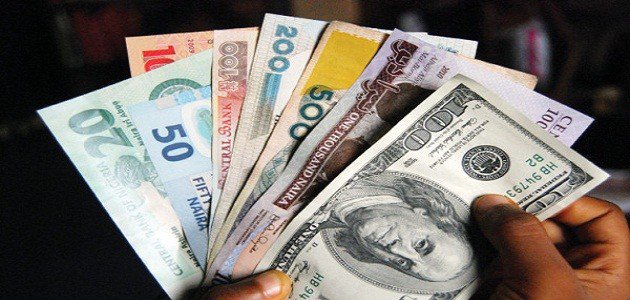
Naira Rises To ₦1,378/$ As CBN Eases Dollar Cash Restrictions
The currency strengthened to ₦1,378 per dollar at the official market after the CBN raised licensed BDC operators’ weekly dollar purchase limit to $1m
The naira strengthened by ₦19 against the dollar at the official foreign exchange market on Thursday, November 26, 2026, following the Central Bank of Nigeria’s decision to increase dollar cash sales to licensed Bureau De Change operators.
Also read: Naira Gains 6.26% Against Dollar as Reserves Hit $55.13bn
The local currency appreciated to ₦1,378 per dollar from ₦1,397 recorded on Wednesday, recovering some of its recent losses as the apex bank moved to improve foreign currency availability in the retail market.
However, the gain came after the naira lost ₦43.50 between November 13 and November 25, highlighting the continued pressure on the foreign exchange market.
At the parallel market, the dollar was quoted at rates ranging from ₦1,440 to ₦1,455 by different Bureau De Change operators, indicating that the informal market remained under pressure despite the official market’s recovery.
The latest movement coincided with a revised CBN directive allowing eligible BDC operators to purchase up to $1m weekly from banks, with the entire approved allocation now available in physical dollar cash.
The new arrangement, which took effect on Wednesday, November 25, represents a substantial increase from the previous weekly limit of $150,000.
Under the earlier framework, only 25 per cent of the approved allocation, equivalent to $37,500, could be collected in physical cash.
The revised policy allows licensed operators to receive up to 100 per cent of their approved foreign exchange purchases in dollar notes through authorised dealer banks.
The CBN said the temporary adjustment was intended to address seasonal demand pressures and improve orderly access to physical dollars for end-users.
The apex bank has also indicated that it would provide additional cash liquidity to authorised dealer banks where necessary to meet the requirements of their BDC clients.
Among the operators included on the list circulated to banks are Ever Joj Gold Bureau De Change Limited, KimmelFX Bureau De Change Limited, Baracai Bureau De Change Limited and SohCahToa Payout BDC.
The intervention is expected to improve access to physical foreign currency for travellers, individuals and businesses with legitimate retail foreign exchange needs.
It could also reduce pressure on the parallel market by directing more transactions through regulated channels.
However, the extent of its impact will depend on how effectively the additional allocations reach end-users and whether the increased supply is sufficient to meet demand.
Economist Wale Osubi said the naira’s movement reflected the basic dynamics of the foreign exchange market, where an increase in dollar availability relative to demand could support the local currency.
The CBN’s intervention comes amid renewed demand for foreign exchange as businesses seek to protect themselves against possible currency depreciation and foreign investors adjust their portfolios towards the end of the year.
Speaking on Tuesday after the 308th meeting of the Monetary Policy Committee in Abuja, CBN Governor Olayemi Cardoso attributed recent exchange rate volatility partly to year-end portfolio adjustments by foreign investors, increased demand from domestic businesses seeking to hedge against future risks and rising election-related expenditure.
“These are all seasonal. And we believe very strongly that as we go into the next year, we will find a major moderation in the volatility that you have seen,” Cardoso said.
The governor also disclosed that diaspora remittances exceeded $900m in the preceding month, expressing confidence that sustained inflows and Nigeria’s current account surplus would strengthen the country’s external buffers.
He assured Nigerians that the apex bank would continue implementing measures to preserve exchange rate stability.
The CBN’s latest decision follows a period of volatility in the foreign exchange market, with seasonal demand, investor positioning and expectations surrounding the 2027 general elections contributing to pressure on the naira.
Also read: NNPC Denies $2.04bn Duke Oil Revenue Gap
While Thursday’s appreciation offers some relief, the continued gap between official and parallel-market quotations suggests that improving dollar supply across the retail market remains a significant challenge for monetary authorities.




Pingback: Naira Strengthens to N1,376/$ Despite FX Turnover Slump – FreshUpdates News