

AI Regulation: Izunaso Warns of Global Deception Crisis
The senator says increasingly realistic AI-generated images could make it harder to separate truth from falsehood, as global communication experts call for ethical standards, accountability and inclusive public engagement
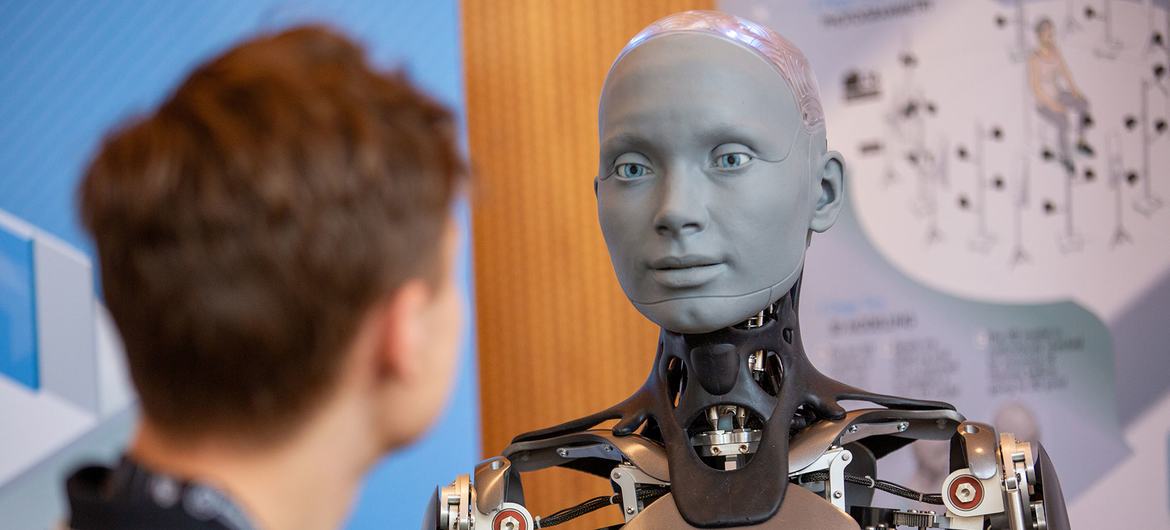
Senator Osita Izunaso, Chairman of the Senate Committee on Capital Market, has warned that the unchecked use of artificial intelligence could trigger a global crisis of deception, misinformation and manipulation, urging governments to introduce regulations before the technology undermines public trust.
Also read: Artificial Intelligence Is Changing How Businesses Work
Izunaso gave the warning on Monday, November 16, 2026, at the Global Alliance World Public Relations Forum in Abuja, where international communication experts also raised concerns about the growing influence of artificial intelligence and social media on public discourse.
Speaking at the forum, themed “Responsible Communication: The Voice of the World,” the lawmaker said the increasing sophistication of AI-generated images and digital content was making it increasingly difficult for people to distinguish authentic materials from fabricated ones.
He acknowledged the benefits of artificial intelligence but argued that its potential advantages could be overshadowed by the consequences of misuse if governments failed to act early.
“Just like when new media started, most politicians did not find it necessary to regulate the new media. We started late as parliamentarians and I am also of the opinion that AI must be regulated before AI will destroy the world,” he said.
Izunaso added that some AI-generated images now appeared so realistic that ordinary users could struggle to establish whether they were genuine.
“AI is good, but it has to be regulated before the goodness of AI will become the calamity of the world,” he said.
The senator also criticised what he described as the weaponisation of social media against politicians, alleging that some individuals resorted to negative online campaigns when public office holders declined personal requests.
“When people ask you for something and you are unable to do that thing, they will say okay, don’t worry. Then, within one week, you will see what they post about you. All manner of negativity,” he said.
He cited the alleged targeting of a political appointee following an appointment to a campaign council, attributing the negative comments to personal and political differences.
The lawmaker called for greater responsibility and accountability in digital communication, stressing that technological progress should not come at the expense of truth and public confidence.
His concerns were echoed during a panel discussion titled “Misinformation and Social Cohesion: Rebuilding Trust through Responsible Public Relations”, where communication professionals from different countries examined how false information was weakening institutions and deepening divisions.
Chief Executive Officer of Ardent Communications and President of the Public Relations Society of the Philippines, Ana Pista, said the growing use of artificial intelligence had made the fight against misinformation more challenging.
Pista urged public relations practitioners to recognise the responsibility that came with their influence over public opinion and institutional reputation.
“With the power comes the responsibility to protect the truth,” she said.
She maintained that responsible public relations should not be about controlling what people think but providing accurate information that enables citizens to make informed decisions.
Australian communication expert Adrian Cropley, however, cautioned against describing every disagreement or critical opinion as misinformation.
He said communication professionals must distinguish deliberate falsehoods from legitimate differences of opinion, arguing that public trust could only be rebuilt through credible evidence, proper context and meaningful engagement.
Cropley also urged practitioners to challenge unethical conduct within their organisations rather than defend questionable decisions to protect their employers.
Egyptian Enterprise AI Governance Architect, Mohamed Hussien Abdelaziz, identified a growing gap between what emerging technologies made possible and what professional ethics permitted.
He advocated stronger moral judgement and emotional intelligence to guide the responsible use of artificial intelligence.
Chief Executive Officer of the Chartered Institute of Public Relations in the United Kingdom, Alastair McCapra, said public relations professionals must address credibility concerns within their own profession before attempting to rebuild public confidence in institutions.
McCapra also highlighted the complicated relationship between Generation Z and artificial intelligence, noting that although young people were among the technology’s most active users, many were concerned about its potential impact on employment and their future careers.
He urged organisations to understand the expectations and concerns of younger audiences, warning that transparency alone would not necessarily restore public confidence.
Pista also called for younger professionals to be involved in decisions concerning communication ethics and technological change.
“They should have a seat at the table because, at the end of the day, the future is theirs,” she said.
The discussion also addressed the need to make public communication accessible to persons with disabilities.
David Obinna Anyaele of the Abia State Disability Commission said information could remain inaccessible even when factually accurate if it was not presented in formats that people with hearing or visual impairments could understand.
Citing an estimated 35 million persons with disabilities in Nigeria, Anyaele urged government institutions to provide sign language interpretation, audio alternatives and other accessible communication channels.
“Responsible communication must be for all. There is nothing about us without us,” he said.
He commended the Independent National Electoral Commission for its efforts to improve accessibility and encouraged other public institutions to adopt similar measures.
Earlier, Vice-Chancellor of Chukwuemeka Odumegwu Ojukwu University, Anambra State, Professor Kate Omenugha, called for communication ethics to be incorporated into university curricula.
She warned that the widespread use of artificial intelligence and social media without adequate ethical guidance was increasing the risk of misinformation and irresponsible communication.
Meanwhile, President and Chief Executive Officer of the Global Alliance for Public Relations and Communication Management, Professor Justin Green, disclosed that Africa’s representation on the organisation’s board had increased from none to six members.
He said the continent now had the highest representation on the board, describing the development as a significant step in Africa’s growing participation in global public relations leadership.
Also read: Microsoft Battles Global Outage as Outlook, Teams Remain Disrupted
The Abuja forum, which brings together communication professionals, policymakers, academics and industry leaders, is focused on the role of responsible communication in strengthening trust, ethical leadership and social cohesion in an increasingly digital world.



