

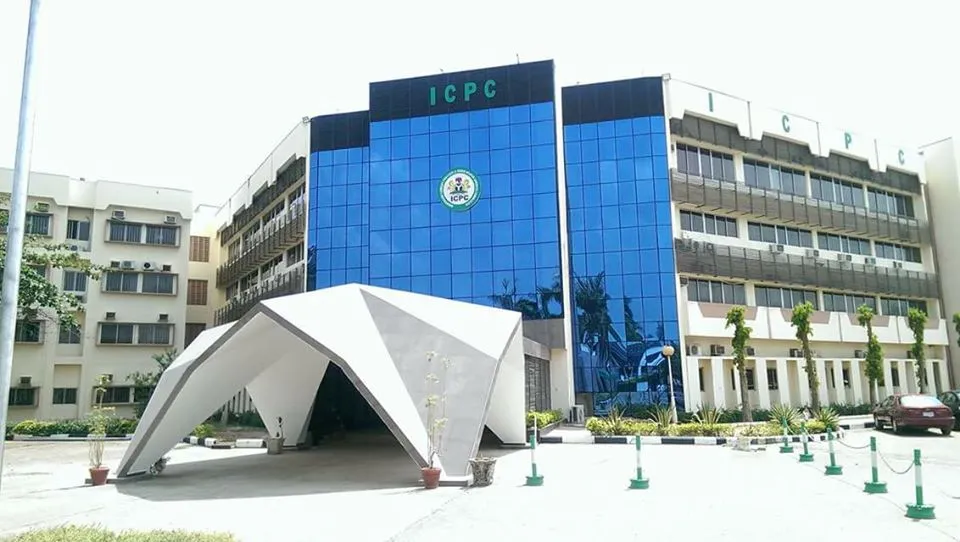
ICPC Uncovers N5.3bn in Local Government Accounts, Moves to Expose 774 Councils
The anti-corruption agency is partnering with NITDA to make local government budgets, allocations, expenditure and audit records accessible online across Nigeria
The Independent Corrupt Practices and Other Related Offences Commission (ICPC) has recovered more than N5.3bn from local government accounts in seven states and the Federal Capital Territory (FCT), as it moves to strengthen financial transparency across Nigeria’s 774 local government areas.
Also read: ICPC Re-Arraigns Adeyemi Over Alleged N30.8bn Fraud
The commission also announced a partnership with the National Information Technology Development Agency (NITDA) to establish websites through which councils will publish their budgets, statutory allocations, revenue, expenditure, audit reports and other financial records.
ICPC Chairman, Dr Musa Adamu Aliyu, disclosed this on Thursday, November 12, 2026, in Lafia, Nasarawa State, during the flag-off of the ICPC-NITDA Local Government Websites Pilot.
The initiative is designed to strengthen accountability at the grassroots by making information about public finances more accessible to residents, journalists and oversight institutions.
Aliyu said the recovery of more than N5.3bn following reviews of council accounts demonstrated the financial risks associated with local government administration and the importance of scrutiny in identifying irregularities.
“The ICPC has recovered over N5.3 billion from a review of local government accounts in seven states and the Federal Capital Territory, and is now moving to make councils across the country publish their finances online,” he said.
He added that the recoveries illustrated what financial scrutiny could achieve, while the proposed websites would provide a preventive mechanism against the misuse of public funds.
The ICPC chairman linked the initiative to the Supreme Court’s July 11, 2024, judgment affirming the financial autonomy of local government councils and their entitlement to receive statutory allocations directly from the Federation Account.
He said the ruling had made it increasingly important for councils to demonstrate accountability in managing funds received without the previous state-level arrangements.
“Autonomy brings responsibility. Funds that now flow directly to the councils must be spent openly and for the benefit of the people,” Aliyu said.
Under the proposed framework, local governments will be expected to publish information covering their budgets, allocations, internally generated revenue, expenditure, audit records, debts, procurement activities and human resource management.
The platforms will also provide channels for citizen engagement, complaints and whistleblowing, allowing residents to raise concerns about council activities and the management of public resources.
Aliyu said regular disclosure would help citizens monitor government spending, enable journalists to ask informed questions and support oversight institutions in identifying potential financial irregularities before they result in losses.
He explained that NITDA would provide the technical infrastructure, including domain registration, website development and hosting for at least one year, while the ICPC would establish the content standards and accountability framework.
The commission also urged council chairmen to appoint dedicated officers to manage the platforms and ensure that published information remained accurate and regularly updated.
Aliyu stressed that the ICPC intended to approach the project as a corruption-prevention partnership rather than an instrument for witch-hunting local government officials.
In his remarks, NITDA Director-General, Kashifu Inuwa Abdullahi, said the initiative would improve governance, strengthen citizen engagement and create economic opportunities by making public information easier to access.
He noted that residents in remote communities often faced difficulties obtaining information about government projects or submitting complaints, sometimes having to travel considerable distances to access basic public services.
“Our people are online; therefore, government needs to be online to serve them better,” Abdullahi said.
He said NITDA would establish technical standards, develop website templates and train citizens to support the effective use of the platforms.
The agency also intends to encourage local governments to develop the capacity to maintain their websites beyond the initial hosting arrangement.
“Our ambition is not 774 websites. It is 774 digitally empowered local governments delivering better experience to millions of Nigerians,” the NITDA director-general said.
Nasarawa State Governor, Abdullahi Sule, who formally flagged off the pilot, designated the Nasarawa State Information Technology and Digital Economy Agency as the state’s technical partner.
Sule directed local government councils to take responsibility for the accuracy of information published on their platforms and ensure that designated officers verify records before uploading them.
He said the success of the initiative should not be measured by the launch of the websites but by whether residents could access relevant information and find it current and useful.
The governor also called on the ICPC and NITDA to extend the transparency framework to state governments, offering Nasarawa as the first state to participate.
He said publishing information on allocations received by local governments would help citizens establish whether funds intended for councils had been released and where possible delays were occurring.
The Emir of Lafia, Justice Sidi Bage (retd.), and the Speaker of the Nasarawa State House of Assembly, Danladi Jatau, also commended the initiative.
Jatau pledged the Assembly’s support, noting that the Constitution empowered state legislatures to exercise oversight over local government finances.
The event concluded with a technical session on the standardised website template that will guide the implementation of the pilot.
The proposed nationwide disclosure programme comes amid continuing debate over how Nigeria’s local government financial autonomy should translate into improved service delivery and accountability.
While the ICPC’s reported recovery of more than N5.3bn highlights the importance of examining council finances, the commission did not provide a breakdown of the recovered funds by state, identify the councils involved or specify the period covered by the reviews in its announcement.
Also read: SERAP Raises Concerns Over FG’s N50,000 Relief Scheme
The effectiveness of the new digital initiative will therefore depend not only on the creation of websites but also on the quality, completeness and regular publication of financial information, as well as the willingness of citizens and oversight bodies to use the records.



