

INEC Suspends Staff Leave Ahead of 2027 Elections
Chairman Joash Amupitan announced the directive in Lokoja alongside new welfare measures, increased state office funding and plans to strengthen election technology
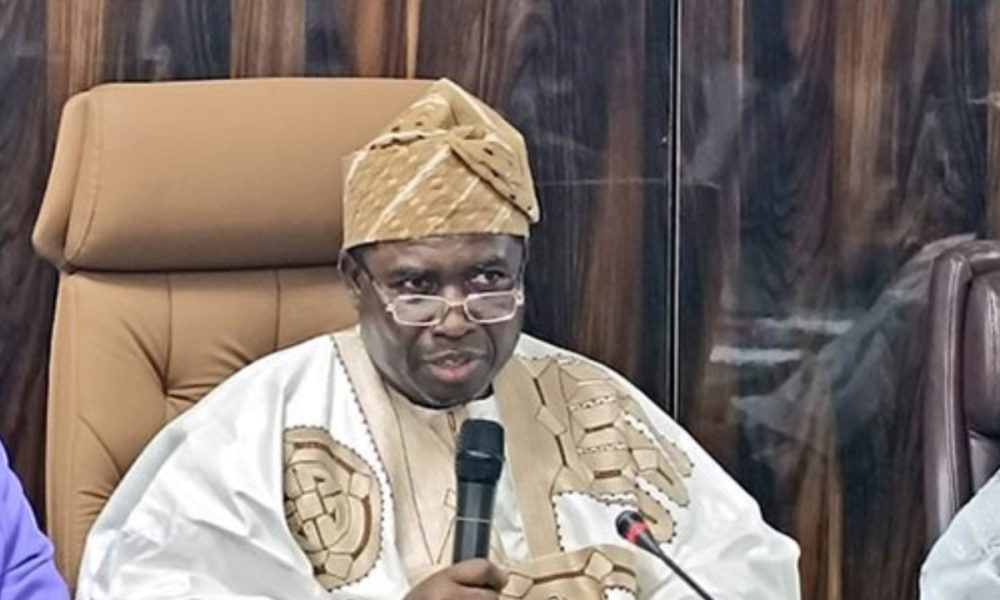
The Independent National Electoral Commission (INEC) has directed its personnel to suspend further annual leave as preparations intensify for Nigeria’s 2027 general elections, with Chairman Joash Amupitan calling for greater discipline, accountability and operational readiness across the commission.
Also read: INEC Clears Pantami, Gwarzo but Rejects Adebutu’s Appeal
Amupitan announced the directive on Friday, November 6, 2026, during an interactive meeting with electoral officials and staff from the North-Central zone in Lokoja, Kogi State.
In a statement published on its official X account, INEC said the measure was intended to ensure that personnel remained available to meet the administrative and operational demands of the forthcoming elections.
Addressing senior officials and field personnel from Benue, Kogi, Kwara, Nasarawa, Niger and Plateau states, as well as the Federal Capital Territory, the chairman said the approaching polls required heightened commitment from every member of staff.
He warned against negligence, absenteeism, financial impropriety and political partisanship, directing Resident Electoral Commissioners and Administrative Secretaries to strengthen attendance monitoring and accountability within their respective offices.
The INEC staff leave suspension forms part of a wider package of workforce and operational reforms unveiled during the meeting, including changes to staff remuneration, improved field allowances, increased funding for state offices and additional vehicles.
Amupitan disclosed that the commission had introduced the Consolidated Election Management Body Salary Structure (CEMBSS), which took effect on January 1, 2026, following its decision to move away from the conventional civil service salary structure.
He said arrangements were ongoing to secure the necessary funding for the new salary structure.
The chairman also announced enhanced salary, hazard and field allowance packages for personnel, alongside a 150 per cent increase in monthly overhead allocations to state offices, effective July 1, 2026.
The commission has also distributed operational pick-up vehicles to state and local government offices nationwide. Amupitan said 20 Sports Utility Vehicles had been procured for Resident Electoral Commissioners, while Administrative Secretaries were also expected to receive new vehicles.
On election technology, the chairman disclosed that INEC was configuring 57,000 newly procured Bimodal Voter Accreditation System devices to strengthen voter verification and accreditation during the polls.
He added that the commission was auditing its electronic result management systems, including the eEC8A verification platform, to improve the transparency of result processing and transmission to the INEC Result Viewing Portal.
The preparations also include improvements to voter registration services. Amupitan said the preliminary Register of Voters had been published for public scrutiny, while the certified register was scheduled for release on December 15, 2026.
He urged eligible voters and other stakeholders to scrutinise the preliminary register and raise any necessary claims or objections before its certification.
On election security, the chairman said INEC was strengthening coordination with security agencies through the Inter-Agency Consultative Committee on Election Security.
The arrangement, he explained, would operate across national, state and local government levels, extending to registration area centres to improve coordination and response during the electoral process.
Amupitan also cautioned personnel against misinformation, fabricated media content and artificial intelligence-generated deepfakes, warning that operational failures and misleading information could undermine public confidence in the elections.
The commission said it had completed nine of the 14 major milestones in its statutory timetable for the 2027 general elections.
Under the revised timetable, presidential and National Assembly elections are scheduled for January 16, 2027, while governorship and State Houses of Assembly elections will take place on February 6.
INEC’s nationwide preparations come as the commission moves towards the final stages of its electoral planning, including the publication of the certified voters’ register and the completion of other statutory activities ahead of polling day.
The North-Central zone has 15,448,869 registered voters, according to figures presented by Amupitan at the meeting.
The Lokoja engagement concluded the commission’s nationwide zonal readiness assessment, following similar consultations with electoral personnel in other geopolitical zones.
At an earlier meeting with staff in the South-South zone in Port Harcourt, Rivers State, Amupitan reiterated that INEC would not shift the 2027 election dates and urged personnel to prevent administrative or logistical shortcomings from disenfranchising eligible voters.
Also read: INEC Clears Pantami, Gwarzo but Rejects Adebutu’s Appeal
With the presidential and National Assembly elections scheduled in just over two months from the start of November 2026, the commission is seeking to strengthen its workforce, logistics and technological capacity ahead of one of the country’s most consequential electoral exercises.

Pingback: ADC Forum Threatens Nationwide Protest Against INEC – FreshUpdates News