

Kano Drug Task Force Arrests 1,760, Secures 890 Convictions
The task force says it has seized 3.18 million pregabalin capsules as its chairman calls for tougher action against drug suppliers and stronger regulatory oversight
The Kano State Multi-Agency Task Force on Drug Abuse and Illicit Trafficking has arrested 1,760 suspects and secured 890 convictions in its campaign against drug-related offences, as its chairman, Barrister Muhuyi Magaji Rimingado, raises concerns over the growing circulation and abuse of pregabalin across the state.
Also read: NDLEA Uncovers Drugs Hidden in Sofas, Women’s Headgears
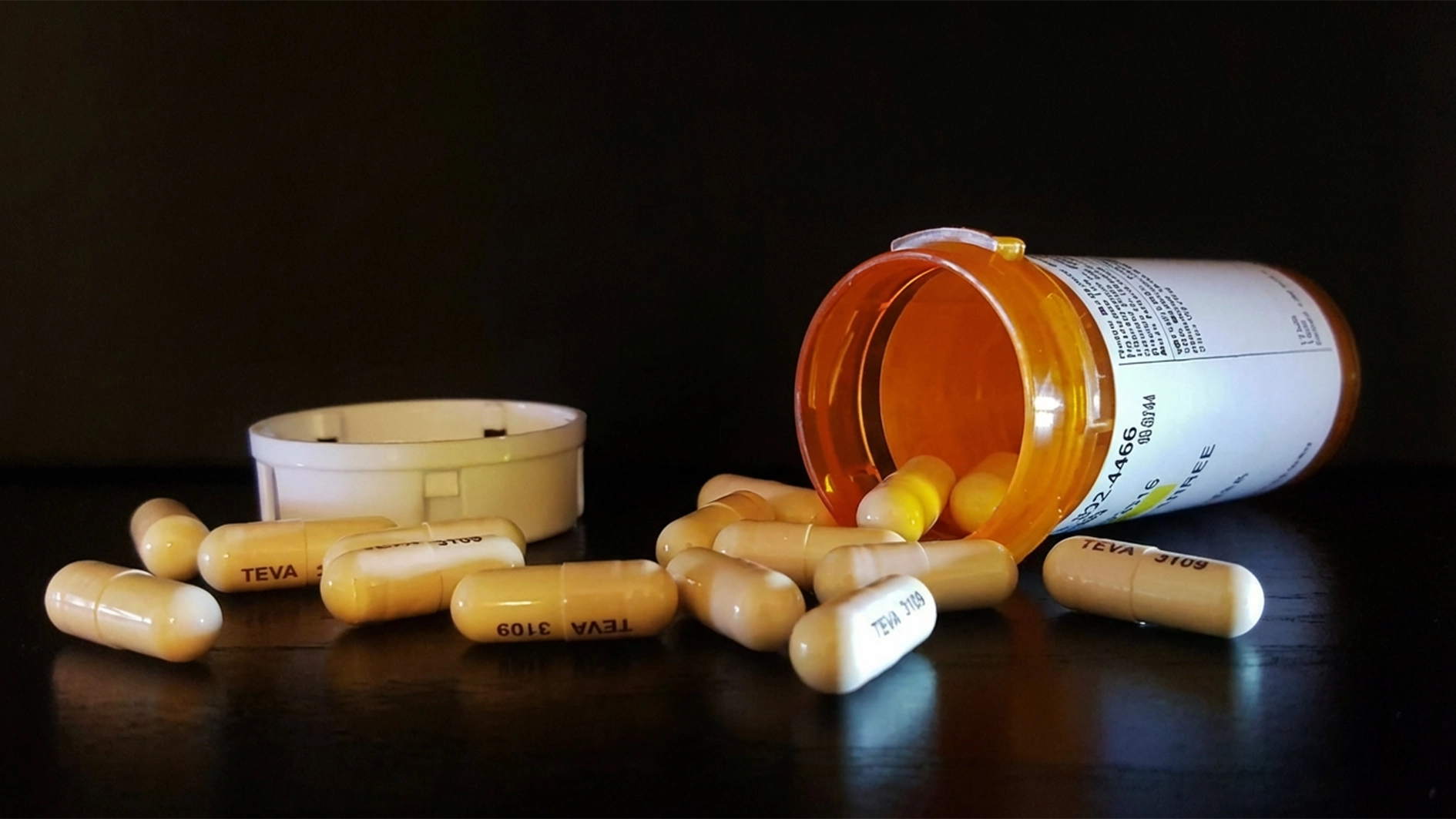
Rimingado disclosed this on Saturday, November 14, 2026, while briefing journalists on the committee’s operations, revealing that authorities had also seized approximately 3.18 million pregabalin capsules in recent enforcement activities.
He described the increasing availability of the substance as a major challenge, warning that efforts to tackle drug abuse would remain ineffective if authorities concentrated on consumers while overlooking the suppliers and distributors responsible for keeping illicit drugs in circulation.
According to him, pregabalin has become one of the most widely abused substances in Kano, featuring prominently in investigations involving suspected drug users.
“Eight out of 10 suspected drug users arrested in the state have been found either in possession of or confessed to abusing this product,” he said.
The task force chairman disclosed that 890 of the 1,760 arrested suspects had been convicted, while 63 cases were awaiting trial and approximately 690 convicted persons were being held in correctional facilities.
Others, he explained, had been referred for rehabilitation, fined or assigned community service, reflecting the different measures adopted in handling drug-related offences.
The latest figures come days after the task force announced the seizure of approximately 3.18 million capsules suspected to be pregabalin in the Sabon Gari area of Fagge Local Government Area.
The November 7 operation followed intelligence received through the task force’s reporting platforms and resulted in the arrest of a 34-year-old suspect identified as Gregory Ogbuji.
The agency said another person allegedly connected to the operation was still being sought.
The scale of the seizure has intensified concerns about the supply networks responsible for distributing the substance, particularly given its availability outside legitimate pharmaceutical channels.
Pregabalin is a prescription medicine used in the treatment of neuropathic pain and certain forms of epilepsy.
However, its misuse has become a growing concern in Nigeria, particularly where pharmaceutical products are diverted into unregulated markets.
Rimingado questioned the effectiveness of existing regulatory oversight, arguing that enforcement efforts against users would achieve limited results if those responsible for importing, distributing and selling restricted pharmaceutical products were not adequately monitored.
“I cannot in good conscience continue to go after the victims (users) while the perpetrators (dealers) are given shield by those that have a statutory responsibility of protecting them from accessing these drugs they tend to abuse,” he said.
He called for stronger collaboration among regulatory agencies, particularly the National Agency for Food and Drug Administration and Control (NAFDAC), the Pharmacy Council of Nigeria (PCN) and law enforcement authorities.
The chairman also warned that public officials suspected of facilitating illicit drug distribution would face scrutiny, insisting that holding public office should not provide protection for individuals involved in activities that undermine drug-control efforts.
“The fight against drug abuse in Kano State has reached a point where some drastic actions need to be taken against accomplices who may have turned the privilege of holding public office into an enabling environment for illicit drug trafficking,” he said.
His comments followed the task force’s recent investigation into the supply and distribution of pregabalin, including questions surrounding pharmaceutical import licences and the registration of business premises in Kano.
The chairman reportedly raised concerns about an import licence issued to UGO Lab Production Nigeria Limited on October 23, 2026, and business connections involving SEEMARK Pharmaceutical Nigeria Limited.
He also questioned the registration of a pharmaceutical outlet at a residential address, arguing that regulatory agencies needed to establish how such arrangements were approved.
These remain allegations and matters under investigation.
The companies and regulatory officials mentioned have not been established by the available reports to have committed any offence.
The Pharmacy Council of Nigeria had not provided a substantive response to the allegations at the time of reporting.
The concerns also come against the background of earlier drug enforcement operations in Kano.
In September 2025, the NDLEA transferred 450,000 intercepted pregabalin capsules to NAFDAC for further forensic and regulatory examination, highlighting the scale of the substance’s circulation before the latest task force operations.
Nigeria’s regulatory framework for controlled medicines requires proper authorisation for the importation, storage and distribution of products classified under the relevant controls. NAFDAC’s Controlled Medicines Regulations also provide for oversight of the pharmaceutical supply chain.
Rimingado maintained that addressing drug abuse required a coordinated strategy involving enforcement agencies, pharmaceutical regulators, healthcare professionals and other stakeholders.
He said the task force would continue its investigations, pursue individuals and organisations found to be facilitating illicit distribution, and strengthen efforts to reduce the availability of abused substances across Kano State.
Also read: NDLEA Raises Alarm Over South Africans in Drug Trafficking
The latest disclosure underscores the growing challenge facing authorities as they attempt to balance the prosecution of drug-related offences with stronger controls over the pharmaceutical supply chain.



