

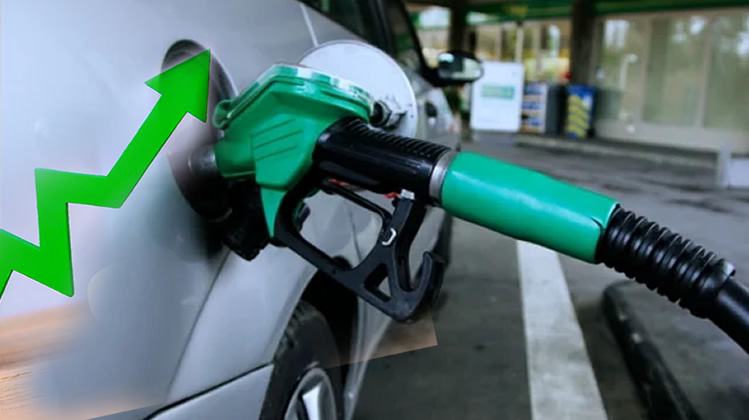
Petrol Imports Rise 47% as Nigeria’s Fuel Supply Rebounds
Nigeria imported 15 million litres of petrol daily in October as domestic refinery supply also increased, while fuel inventories weakened to 21.8 days of stock cover
Nigeria’s petrol imports increased by 47 per cent to 15 million litres per day in October 2026, reversing the decline recorded in September and highlighting the country’s continued reliance on foreign supplies despite growing domestic refining capacity.
Also read: 2027: Atiku Insists on Fuel Subsidy Return, Promises Cheaper Petrol
The latest figures released by the Nigerian Midstream and Downstream Petroleum Regulatory Authority (NMDPRA) on Friday, November 20, showed that imports rose from 10.2 million litres daily in September to 15 million litres in October, representing an additional 4.8 million litres per day.
Domestic refineries also increased their contribution, supplying 31.9 million litres daily in October, compared with 28.5 million litres in September, an increase of approximately 12 per cent.
The figures mean imported petrol accounted for 32 per cent of Nigeria’s total daily petrol receipts of 46.9 million litres in October, while domestic sources contributed the remaining 68 per cent.
The increase in imports came despite the continued expansion of local refining, particularly at the Dangote Petroleum Refinery, which has emerged as the country’s dominant domestic supplier of petrol.
According to the NMDPRA’s October 2026 fact sheet, total petrol receipts increased by 21 per cent to 46.9 million litres daily from 38.7 million litres in September.
The additional 8.2 million litres per day comprised 4.8 million litres from imports and 3.4 million litres from domestic sources.
The rebound in imports suggests that domestic refining capacity, although significantly expanded, has yet to completely eliminate Nigeria’s dependence on foreign petrol supplies.
It also reflects the volatility of the country’s fuel supply pattern, which has experienced significant monthly fluctuations in both local production and imports over the past year.
Nigeria’s petrol supply landscape changed considerably following the expansion of domestic refining capacity, with local refineries increasingly taking over a larger share of the market previously dominated by imported products.
In October 2025, domestic refineries supplied 17.1 million litres daily, while imports accounted for 28.9 million litres, bringing total receipts to 46 million litres per day.
By November 2025, domestic supply had increased to 19.5 million litres, while imports rose to 32 million litres, pushing total receipts to 51.5 million litres daily.
The market recorded its highest supply level during the 13-month period in December 2025, when domestic refineries contributed 32 million litres and imports accounted for 42.2 million litres, bringing total daily receipts to 74.2 million litres.
However, the balance shifted in January 2026, when domestic supply surged to 40.1 million litres daily, overtaking imports, which declined to 24.8 million litres. Total receipts stood at 64.9 million litres.
The reduction in imports became more pronounced in February, when foreign supplies fell to three million litres daily, compared with 29.4 million litres from domestic refineries. Total petrol receipts consequently declined to 32.4 million litres per day.
Domestic supply subsequently recovered to 34.2 million litres daily in March, while imports increased slightly to 5.9 million litres, bringing total receipts to 40.1 million litres.
In April, local supply rose to 40.7 million litres against imports of 3.7 million litres, with total receipts reaching 44.4 million litres daily.
The trend continued in May, when domestic refineries supplied 41.5 million litres daily, while imports contributed 5.9 million litres. Total receipts increased to 47.4 million litres.
However, imports began regaining ground in June, rising sharply to 18.1 million litres daily, while domestic supply declined to 32.5 million litres. Total receipts stood at 50.6 million litres.
In July, domestic supply fell further to 25.8 million litres, while imports increased to 19.7 million litres, bringing total receipts to 45.5 million litres daily.
August saw domestic supply recover to 35.9 million litres, while imports declined to 14.6 million litres. Total receipts rose to 50.5 million litres.
In September, domestic supply dropped to 28.5 million litres, while imports declined to 10.2 million litres, resulting in total receipts of 38.7 million litres daily.
The October figures subsequently showed a recovery in both supply channels, with domestic deliveries rising to 31.9 million litres and imports increasing to 15 million litres, bringing total receipts to 46.9 million litres daily.
The 13-month data showed that domestic refineries supplied an average of 31.5 million litres daily, representing 62.6 per cent of total petrol receipts, while imports averaged 18.8 million litres, accounting for 37.4 per cent.
Despite the October rebound, imported petrol volumes remained below the 13-month average of 18.8 million litres daily. Domestic supply, however, was slightly above its 13-month average of 31.5 million litres.
A year-on-year comparison also showed that domestic supply increased by 86.5 per cent, from 17.1 million litres daily in October 2025 to 31.9 million litres in October 2026.
Conversely, imports declined by 48.1 per cent from 28.9 million litres to 15 million litres over the same period. Total petrol receipts increased marginally by 1.96 per cent, from 46 million litres to 46.9 million litres daily.
Fuel inventories weaken despite higher supply
The increase in petrol imports was accompanied by a deterioration in the country’s fuel inventory position, with petrol stock sufficiency falling to 21.8 days in October from 23.9 days in September.
The stock-cover figure represents the number of days available inventories can sustain consumption. October’s 21.8-day level was 8.2 days below the NMDPRA’s 30-day benchmark, indicating a weaker buffer against potential supply disruptions.
The regulator’s figures also showed that petrol consumption increased by five per cent to 46.5 million litres daily in October from 44.4 million litres in September.
This suggests that the increase in supply was accompanied by stronger domestic demand, limiting the improvement in available inventories.
The October petrol receipts of 46.9 million litres daily also remained below the NMDPRA’s estimated demand benchmark of 50 million litres per day.
The development raises concerns about the resilience of Nigeria’s fuel supply chain, particularly if domestic refining output or imported cargoes experience further disruptions.
Dangote refinery remains dominant domestic supplier
The Dangote Petroleum Refinery continued to play a dominant role in Nigeria’s petrol supply during the period.
The facility operated at an average capacity utilisation of 103.73 per cent of its installed capacity of 650,000 barrels per day in October, producing approximately 48.51 million litres of petrol daily.
Of the output, 31.89 million litres per day were supplied to the domestic market, while approximately 20.18 million litres were exported.
The refinery’s operating rate, however, moderated from 105.98 per cent recorded in September, while its closing petrol inventory fell by 37 per cent to 229.9 million litres.
The October figures indicate that domestic refining remains central to Nigeria’s fuel supply, although export volumes, stock movements and domestic demand continue to influence the quantity available to the local market.
The country’s three state-owned refineries in Port Harcourt, Warri and Kaduna remained inactive during the month, according to the NMDPRA factsheet, leaving the Dangote refinery and smaller modular facilities as the major domestic refining sources.
The latest data therefore highlight the progress Nigeria has made in reducing its reliance on imported petrol over the past year, alongside the continuing challenges of maintaining adequate supply, rebuilding inventories and ensuring consistent domestic refining output.
Also read: Tinubu Unveils 40% Transport Fare Reduction Plan, 300 New CNG Buses
With imports rising again in October and petrol stock cover falling below the regulator’s benchmark, the sustainability of the country’s emerging fuel self-sufficiency will depend on stable refinery operations, sufficient product availability and the ability of domestic producers to meet demand



