

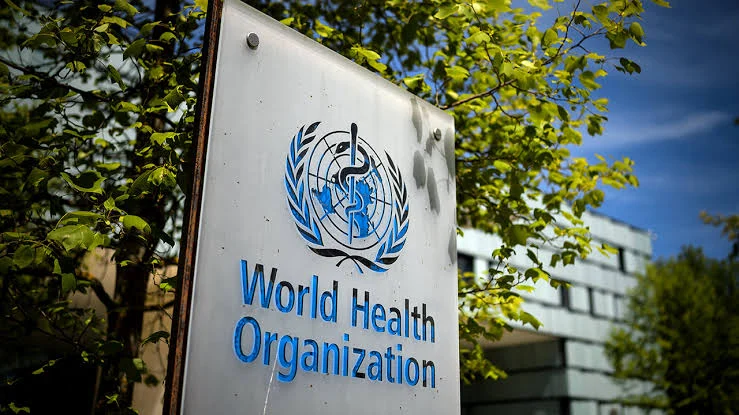
WHO Raises Alarm as Millions Live With Undiagnosed Diabetes
The global health agency is targeting an 80 per cent diagnosis rate by 2030 as Africa faces an even wider detection gap
The World Health Organisation (WHO) has warned that more than 40 per cent of people living with diabetes worldwide remain undiagnosed, raising concerns that millions may be missing the treatment and support needed to manage the condition.
Also read: WHO Advances Two New Ebola Vaccines for Deadly DRC Outbreak
The warning comes ahead of World Diabetes Day, observed annually on November 14, with this year’s campaign focusing on the theme, “Early action on diabetes”.
In a report published on its website, titled World Diabetes Day 2026: Early action on diabetes, the global health agency said people who do not know they have diabetes may be unable to access appropriate care and treatment.
“People who are unaware that they have diabetes may be unable to access the treatment and support required to manage the condition and live healthy lives,” WHO said.
The organisation identified increased thirst, frequent urination, tiredness and blurred vision as common symptoms of diabetes, urging people to recognise the warning signs and seek medical advice when they occur.
It explained that Type 1 diabetes often develops rapidly, while Type 2 diabetes usually develops gradually and may produce few or no noticeable symptoms.
WHO also warned that Type 1 diabetes could develop at any age and was frequently missed or misdiagnosed, particularly among adults.
Recognising its symptoms, the agency said, could help people obtain an early diagnosis and life-saving treatment.
WHO targets 80% diagnosis rate by 2030
The 2026 World Diabetes Day campaign highlights the need for early diagnosis, access to comprehensive care and efforts to reduce the stigma associated with the condition.
WHO said closing the global diagnosis gap remained a priority, noting that one of the five diabetes coverage targets endorsed by its member states was to ensure that 80 per cent of people living with diabetes were diagnosed by 2030.
The targets, adopted in 2022, also include ensuring that 80 per cent of diagnosed patients achieve good control of blood glucose and blood pressure, while 60 per cent of people with diabetes aged 40 and above receive statins.
Another target is to ensure that everyone living with Type 1 diabetes has access to affordable insulin and blood glucose self-monitoring.
The International Diabetes Federation (IDF) estimates that 589 million adults worldwide were living with diabetes, including 252 million who did not know they had the condition.
Its November 2026 report also found that only 57 per cent of people living with diabetes worldwide knew their status, while nearly nine in 10 undiagnosed cases were in low- and middle-income countries.
The IDF said approximately 134 million additional diagnoses would be required to reach the global 80 per cent target by 2030.
Africa faces wider diagnosis gap
The situation is particularly concerning in Africa, where the WHO Regional Director for Africa, Dr Mohamed Janabi, said nearly three out of every four adults living with diabetes remained undiagnosed.
In a message released on November 14 to mark World Diabetes Day, Janabi cited IDF estimates showing that 24.6 million adults aged 20 to 79 were living with diabetes in the African Region in 2024.
The figure is projected to rise to 59.5 million by 2050 if current trends continue.
Janabi warned that delayed diagnosis exposed patients to serious complications, including kidney failure, blindness, cardiovascular disease and lower-limb amputations.
He called for stronger public awareness, early testing and improved access to affordable treatment, particularly in underserved communities.
The WHO regional director also identified shortages of trained health workers, diagnostic services, essential medicines and continuous care as major gaps that must be addressed.
WHO calls for affordable care, action against stigma
Beyond early detection, WHO stressed that diagnosis must be followed by timely and affordable healthcare, as well as continuous support for people living with diabetes.
The organisation called for healthier environments that provide access to nutritious food, safe spaces for physical activity and quality health services to reduce the risk of Type 2 diabetes and support effective disease management.
It also emphasised the importance of uninterrupted, quality care in preventing complications and helping patients live healthy and fulfilling lives.
On discrimination, WHO described diabetes stigma as widespread, harmful and preventable, insisting that everyone living with the condition deserved understanding and support.
The agency further urged the public and media to use sensitive language and images when discussing diabetes, noting that how people with the condition are represented can influence public attitudes towards them.
It encouraged individuals to learn the symptoms, seek medical advice when warning signs appear and support people living with diabetes rather than stigmatise them.
Also read: NCDC Confirms No New Ebola Case as 28 Contacts Remain Under Watch
World Diabetes Day, observed every November 14, provides an opportunity for governments, health professionals, communities and individuals to raise awareness and promote better prevention, diagnosis and management of the condition.



