

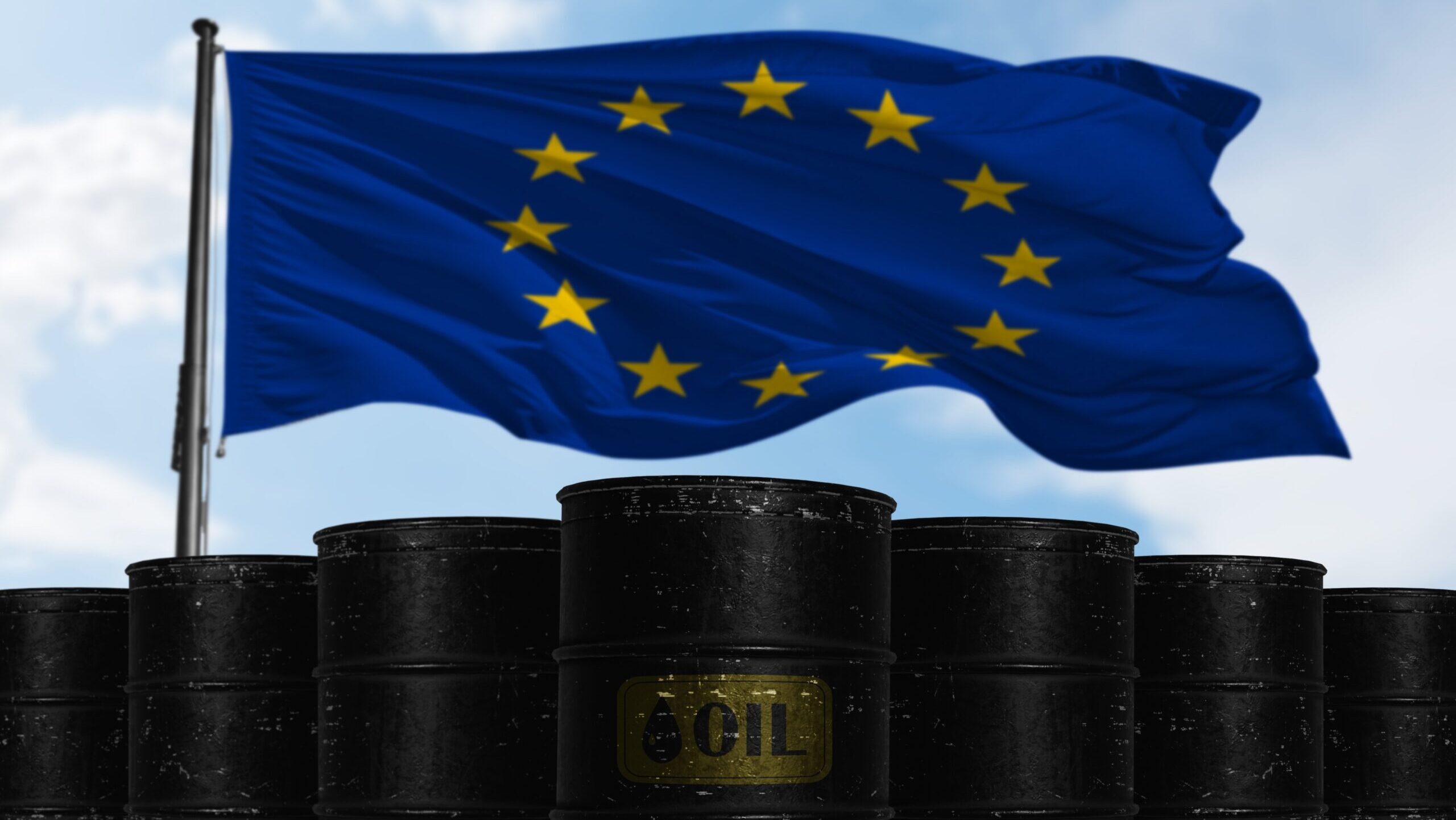
EU Moves to Release 42.6m Barrels of Oil Following G7 Commitment
Eleven countries, including France, Germany and Italy, plan to release 42.6 million barrels by January 2027, with nearly half comprising diesel
Eleven European countries have pledged to release 42.6 million barrels of oil from their strategic reserves by the end of January 2027, as governments step up efforts to ease pressure on global energy supplies and contain rising fuel costs.
Also read: Climate Resilience Remains a Global Priority
The commitment, announced on Thursday, includes 20.5 million barrels of diesel and forms part of a wider initiative agreed by G7 economies this month to increase the availability of oil amid concerns over disruptions to global energy markets.
European Union Energy Commissioner Dan Jørgensen said the participating EU member states had reaffirmed their commitment to an accelerated release of strategic stocks over the coming months.
“EU member states have reaffirmed their commitment to an accelerated release of 42.6 million barrels from strategic reserves over the next months, and around half of this will be diesel,” Jørgensen told reporters.
The countries signing the pledge are France, Germany, Italy, Belgium, Denmark, Greece, Latvia, Luxembourg, the Netherlands, Portugal and Sweden.
Lithuania also endorsed the initiative but did not sign the joint declaration.
The countries are all members of the International Energy Agency (IEA), which called in mid-October for members to increase the release of oil stocks ahead of winter.
The European commitment follows an agreement reached by G7 economies on October 2 to coordinate the release of 100 million barrels of crude oil and diesel from emergency reserves over four months.
The G7 deal came after US President Donald Trump threatened to restrict American diesel exports amid rising domestic fuel prices and concerns about supplies to Europe.
The agreement also included a commitment by G7 members not to impose energy export restrictions on one another.
The energy market pressure has been intensified by the conflict involving the United States, Israel and Iran, which has contributed to higher energy prices and concerns about the movement of supplies.
Despite the uncertainty, the European Union has said it does not anticipate an immediate threat to the bloc’s energy security. However, Jørgensen acknowledged that high household energy bills remained a serious concern.
“We do not expect the security of supply issue as such. But for the citizens who are struggling to pay the bills, that might not matter,” he said.
The planned release is intended to increase the availability of fuel during the coming months, particularly diesel, as Europe approaches winter.
Also read: Small Businesses Continue to Navigate Rising Costs
Its impact on prices will depend partly on how quickly the reserves reach the market and how effectively the additional supplies ease pressure on energy markets.




Pingback: Seven New Modular Refineries to Boost Nigeria’s Capacity – FreshUpdates News
Pingback: Reps Threaten Demolition of Illegal Buildings on Power Routes – FreshUpdates News